
Planning a trip to Bali, Indonesia? A few questions that often pop up are, ” What is Bali Belly? In this blog post, we’ll share the details to prevent having a “Bali Belly” so you can enjoy your tropical paradise vacation without worrying about water issues.
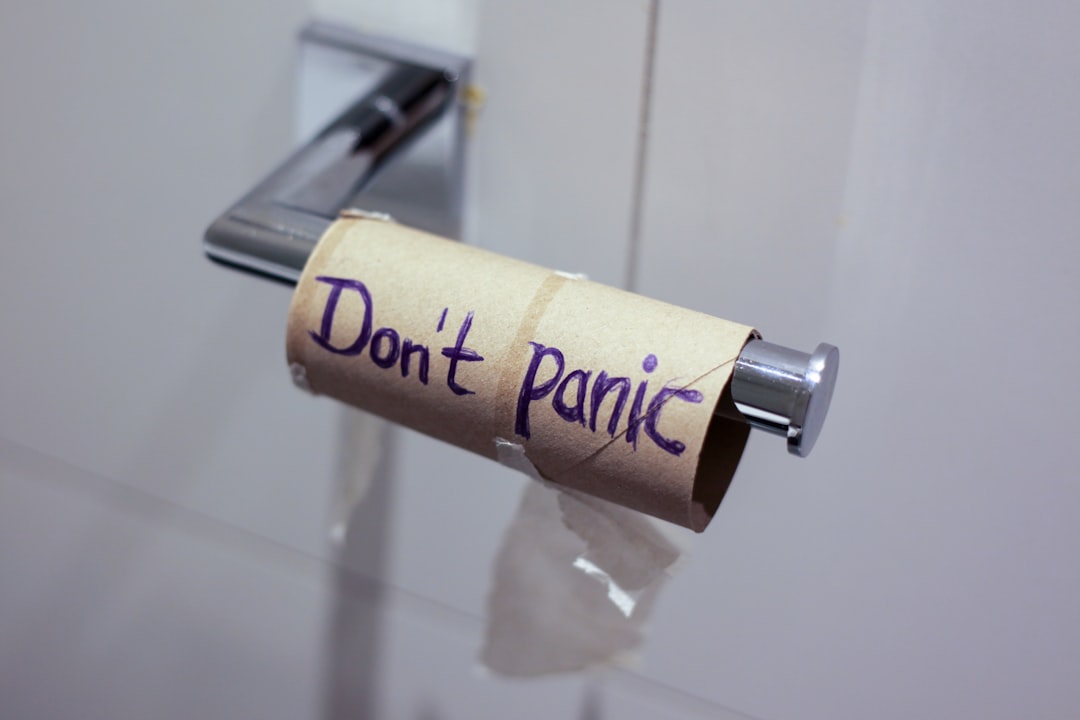

Undoubtedly, falling ill while on vacation is one of the last things you want to experience, especially when you’re away from the comforts of home and your usual support systems.
What Is Bali Belly?
“Bali Belly” is a term for Traveler’s Diarrhea (TD). It’s typically caused by consuming water or food contaminated with unfamiliar microorganisms. Despite Bali’s high tourism, the chance of developing Bali Belly is relatively low if you’re careful with what you consume. Symptoms of Bali Belly can include diarrhea, stomach cramps, nausea, and vomiting. While usually not serious, it can disrupt your holiday plans.
>> Can you drink tap water in Bali? Read more in this blog post.
What are the symptoms of Bali Belly?
Understanding the symptoms of Bali Belly can help you identify the condition early and manage it promptly. It usually presents as an acute onset of symptoms, which may include:

- Diarrhea: Frequent, loose, or watery bowel movements are the most common symptoms of Bali Belly. This can cause significant discomfort and inconvenience, particularly when traveling.
- Stomach cramps and pain: In some cases, Bali Belly starts with this and can vary from mild discomfort to intense pain, often felt in the lower abdomen.
- Nausea or vomiting: Bali Belly might also make you feel sick to your stomach or even experience episodes of vomiting.
- Bloating and gas: A feeling of fullness or swelling in the abdomen, often accompanied by increased flatulence is also a sign of Bali Belly.
- Loss of appetite: The discomfort often results in a decreased desire to eat.
- Fever: Severe cases of Bali Belly in some cases, you might have a mild fever.
- Muscle aches and weakness: General muscle aches and fatigue are also common.
These symptoms can start within a few hours of consuming contaminated food or drink but can sometimes manifest within a few days.If you have Bali Belly after 3-5 days, you can easily go to the nearest clinic for a check up.
What is the cure for Bali Belly?
Fortunately, in most cases, Bali Belly’s symptoms will resolve within 2-4 days. However, there are several measures you can take to help manage your symptoms and recover more quickly:
- Stay Hydrated Dehydration is a real concern with Bali Belly due to the loss of fluids from diarrhea and vomiting. Ensure you drink plenty of clean bottled water. Oral rehydration salts and solutions, readily available in local pharmacies, are highly recommended as they replenish lost electrolytes and help in faster recovery.
Photo by engin akyurt / Unsplash
- Take a RestBali Belly may cause fatigue; your body needs energy to fight the infection, so get plenty of rest.
Photo by Alexander Grey / Unsplash
- Eat LightOnce your appetite returns, start with bland, easy-to-digest foods like crackers, bananas, or toast to help you recover your energy faster from Bali Belly.
Photo by Romina BM / Unsplash
- Take Medications
 The medicine for Bali Belly is an over-the-counter anti-diarrhea medication, and charcoal pills such as Norit. You can easily buy this at any pharmacy in Bali. Antibiotics may be necessary in severe cases or if symptoms persist over a few days. Always consult a healthcare provider before starting any new medication.
 - Seek Professional Help (If needed)
Photo by Marcelo Leal / UnsplashHere is the list of hospitals or clinics you can visit in Bali for urgent medical concerns:
- Bali Royal Hospital, Denpasar
- BIMC Siloam Hospital, Nusa Dua
- BIMC Ubud Hospital, Ubud
- Kasih Ibu Hospital, Tabanan
- BaliMed Canggu Clinic, Canggu
How can you prevent Bali Belly?
You can take a few precautionary measures to prevent ‘Bali Belly’. These include:
- Drink only bottled or properly purified water, including when brushing your teeth.
- Eat at reputable restaurants that are known for maintaining good hygiene.
- Wash your hands frequently or using hand sanitizer, particularly before meals.
- Be cautious about consuming raw foods like salads. Cooked food is generally safer as the heat kills most harmful organisms.
- Avoid street food if you’re not used to it. While street food can be delicious and a big part of the local culture, the hygiene standards can sometimes be lower than in established restaurants.
If you get ‘Bali Belly’, it’s typically not serious and should pass within a few days. Stay hydrated, rest, and eat bland foods while your body recovers. If your symptoms are severe or persist for more than a few days, it would be wise to seek medical attention.
>> Can you drink tap water in Bali? Read more on this blog post.
Final Thoughts
In conclusion, while tap water in Bali is generally unsafe for drinking directly, there are plenty of alternatives, including bottled water and water purification systems. Always take necessary precautions when consuming water and food in Bali to ensure a safe and enjoyable trip.

